
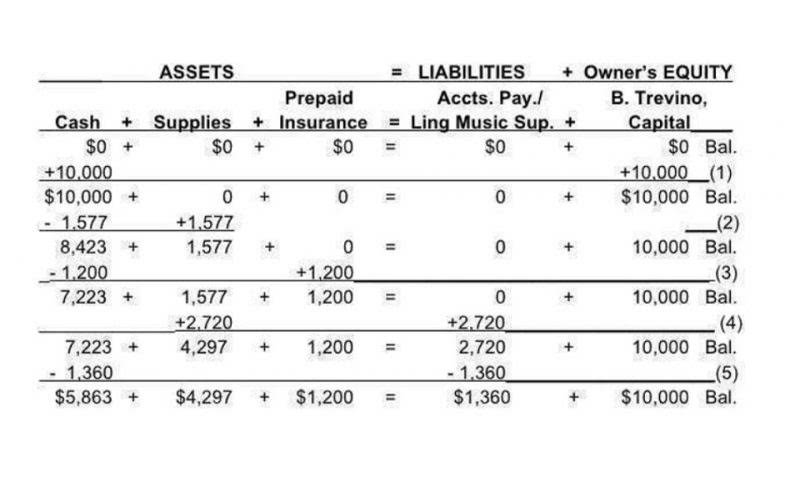
A well-managed accounting system is crucial for the transparent and efficient operation of your nonprofit. You might wonder why it’s referred to as a Statement of Financial Position instead of a Balance Sheet when dealing with nonprofit organizations. Moving beyond liabilities, you’ll find net assets on your nonprofit’s Statement of Financial Position, which essentially represent the financial value of your organization. Net assets, otherwise known as equity, is calculated as the difference between what your organization owns (assets) and what it owes (liabilities). Let’s break down each of these pieces to better understand their role and significance in the overall financial health of your nonprofit organization. This allocation is not just a financial reporting requirement; it serves as a transparent indicator of how the nonprofit prioritizes mission-related activities over administrative and fundraising costs.
- Recognizing net assets with donor restrictions and representing them as such in financial statements is crucial so that organizational decision-makers are aware of obligations in the future.
- The primary reason for this differentiation is the concept of fund accounting, a system nonprofits employ to keep track of revenue sources that are earmarked for specific uses.
- Second, nonprofit financial statements are essential for compliance with regulatory bodies.
- Calculating LUNA involves subtracting property and equipment assets from total unrestricted net assets, then dividing by average monthly expenses.
- It includes assets, liabilities, and equity, which can help stakeholders assess the financial health and stability of a business.
Liquidity refers to how quickly an asset can be converted into cash without significant loss in value. Cash is the most liquid asset, while property and equipment may take longer to convert into cash. This report will show them which of your activities brought cash into your operation during the period and which expenses ate up large chunks of money. When a board member asks statement of financial position non profit for a cash flow statement, usually it’s because you’re losing cash. This report can help you explain to your board why you have less cash even after a great fundraising month (maybe you invested in some much-needed equipment). If a grant-maker or a donor gives you money that is dedicated for specific programs, or that you need to use by a specific date, it’s still an asset.
Navigating the World of Non-profit Consulting Services: A Guide
The liabilities section includes items such as accounts payable, loans, and deferred revenue. The net assets section includes items such as unrestricted net assets, temporarily restricted net assets, and permanently restricted net assets. External (audited) nonprofit financial statements must follow Generally Accepted Accounting Principles (GAAP) standards. That means must use accrual-basis accounting and record transactions in a specific way.

Nonprofits use the statement of financial position to list their assets, liabilities, and net assets. The current ratio measures assets that will be cash within a year and liabilities that will have to be paid within a year and can provide an indication of an organization’s future cash flow. The balance sheet also indicates an organization’s liquidity by communicating how much cash an organization has at present and what assets will soon be available in the form of cash. Assets are usually listed on a balance sheet from top to bottom by rank of liquidity (i.e. from most easily turned into cash to those assets most difficult to turn into cash).
What is the Statement of Activities?
At Taxfyle, we connect small businesses with licensed, experienced CPAs or EAs in the US. We handle the hard part of finding the right tax professional by matching you with a Pro who has the right experience https://www.bookstime.com/ to meet your unique needs and will manage your bookkeeping and file taxes for you. You’ll also have to present your expenses in a specific way that may differ from how you present them for your audit.
Interpreting nonprofit financial statements involves breaking down key documents like the balance sheet, income statement, and cash flow statement. These statements provide important insights into the organization’s financial health, efficiency, and sustainability. First, let’s detail what a nonprofit statement of financial position, also known as a balance sheet, is. A nonprofit statement of financial position provides an accurate snapshot of the organization’s financial position at a specific time, typically at the end of a fiscal year or quarter.
Key Differences from For-Profit Balance Sheets
You may find your team spending countless hours entering receipts, invoicing, running payroll, and reconciling books before you can even start generating the necessary reports to guide your operations. This meticulous classification highlights the organization’s immediate financial obligations versus its capacity for long-term investment and operation. It’s the accumulation of all the surpluses of revenue over expenses (profit) that you’ve seen on your Statement of Activities since the start of your organization.
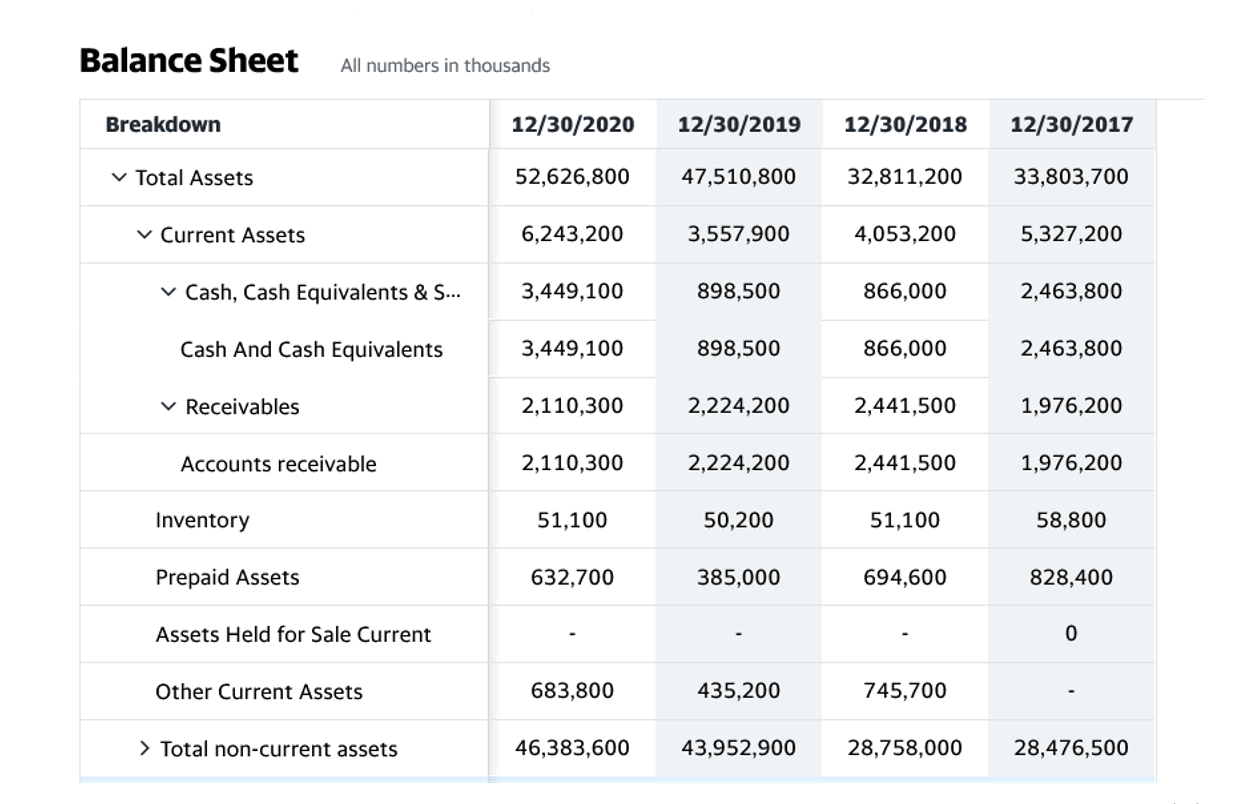
The balance sheet reports an organization’s assets (what is owned) and liabilities (what is owed). The net assets (also called equity, capital, retained earnings, or fund balance) represent the sum of all the annual surpluses or deficits that an organization has accumulated over its entire history. Your statement of financial position should provide insight into your organization’s liquidity or ability to meet its financial obligations. Additionally, you should be able to see your organization’s equity or net worth clearly. The difference between assets and liabilities, essentially the equity of the nonprofit. Unlike for-profits, nonprofits don’t have owners, so instead of “equity,” they have “net assets.” For this reason, the nonprofit balance sheet is often referred to as the Statement of Financial Position.
Assessing Financial Health of a Nonprofit
Initiating the preparation of the Statement of Financial Position requires listing assets, starting with the most liquid assets like cash and receivables, which can be quickly converted into cash. This comprehensive process involves collecting detailed records of donations, grants, investments, and all categories of expenses. Take our 2-minute survey to find out if outsourced accounting and bookkeeping is a good fit for your organization. Non-Current liabilities are liabilities that will not become due within the next year. This article will show you what you’ll see on the Statement of Financial Position, what you can learn from it, and what your CPA will look for on your Balance Sheet to see just how healthy your business is. Return to the Internal Reports Introduction page using the link below for greater detail on how to read various reports as well as recommended formatting.